
Destination guide
Everything you need to know about Ol Pejeta Conservancy.
Why visit Ol Pejeta
Ol Pejeta Conservancy is East Africa's largest black rhino sanctuary, home to the last two northern white rhinos on Earth, the only place in Kenya you can see chimpanzees, and the Big Five-plus destination that combines all the headline Kenyan wildlife with a unique conservation story. At 364 km² on the Laikipia Plateau, north-west of Mount Kenya, Ol Pejeta is large enough to hold 165+ black rhino, 35+ white rhino, four resident lion prides, leopard, cheetah, elephant, buffalo, plus 39 rescued chimpanzees at the Sweetwaters Chimpanzee Sanctuary. The conservancy converted from a cattle ranch in 1988 and now combines a profitable wildlife reserve with a working livestock operation — the cattle and wildlife coexist, with profits from cattle helping fund conservation. For travellers who want guaranteed Big Five plus the chance to see Najin and Fatu (the last northern white rhinos) and chimpanzees in a single day, Ol Pejeta is the only destination in Kenya that delivers all three.
The last two northern white rhinos
Najin and Fatu — mother and daughter — are the last two northern white rhinos on Earth, both female, both living at Ol Pejeta in a 700-acre managed enclosure with 24/7 armed protection. The last male, Sudan, died at Ol Pejeta in March 2018 at age 45. The species is functionally extinct in the wild — Najin and Fatu are the entire global population. A multinational scientific consortium (BioRescue) is attempting to save the species through advanced reproductive technology: harvesting eggs from Najin and Fatu, fertilising them with frozen sperm from deceased northern white males, and implanting the embryos in southern white rhino surrogate mothers. As of 2024, embryos have been successfully created and the first surrogate transfers attempted. Visitors can pay $110 per person for the Northern White Rhino Encounter — a guided 30-minute visit to the enclosure, where a keeper introduces you to Najin and Fatu, explains the BioRescue programme, and lets you stand within metres of the last two of their kind. Income directly funds the rescue effort.
Sweetwaters Chimpanzee Sanctuary
Sweetwaters, on the eastern edge of Ol Pejeta, is the only chimpanzee sanctuary in Kenya — chimps are not native to Kenya and Sweetwaters exists to rehabilitate chimpanzees rescued from the illegal pet and bushmeat trade across central and west Africa. The sanctuary, founded in 1993 with the Jane Goodall Institute, currently houses 39 chimps in two large naturalistic enclosures separated by the Ewaso Nyiro River. Daily feeding times (1100 and 1530) are when the chimps come to the viewing platforms and visitors can watch them feed and interact at distance. The full chimp story — the rescue, the lifelong sanctuary care, the impossibility of release — is moving and educational. Visit costs are included in the Ol Pejeta entry fee.
The rest of the wildlife
Ol Pejeta is full Big Five. Lion: four resident prides, plus the famous Tony's pride that hunts buffalo near the airstrip. Leopard: present but elusive, best on early-morning drives along the Ewaso Nyiro escarpments. Elephant: 8,000+ pass through the conservancy seasonally, with several hundred resident at any time. Buffalo: thousands. Rhino: 165+ black, 35+ white, the highest density in East Africa after Lewa. Beyond the Big Five — Jackson's hartebeest, Beisa oryx, Grevy's zebra (mixed herds with the more common plains zebra make for interesting comparative photographs), reticulated giraffe, gerenuk, and cheetah on the open plains. 500+ bird species. The endangered African wild dog is occasionally seen passing through.
Best time to visit
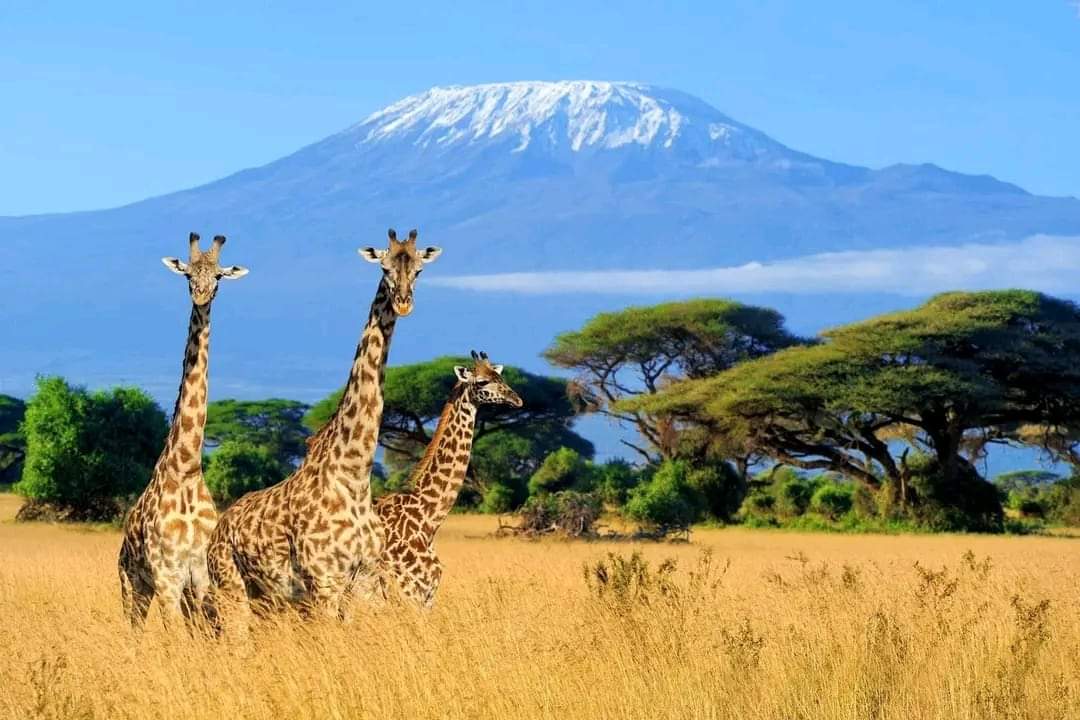
Ol Pejeta is year-round. Dry seasons — June to October and January to March — give the best wildlife concentration around the permanent water of the Ewaso Nyiro River. The long rains (April–May) and short rains (November) bring lush greens but slower game viewing. Mount Kenya is visible from much of the conservancy on clear days; mornings are often clearest. Daytime temperatures are 22–28 °C; nights drop to 10–15 °C at the conservancy's 1,800 m altitude. Pack a fleece. The Sweetwaters chimps and the rhino encounter are available year-round.
Where to stay
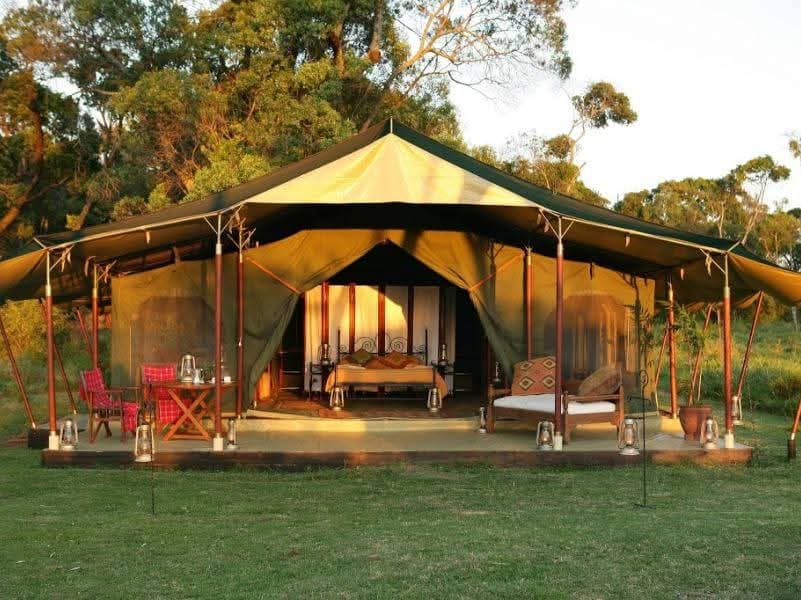
Ol Pejeta has a wider range of accommodation than most Kenyan conservancies, from budget self-catering campsites to ultra-luxury. Mid-range options inside the conservancy: Sweetwaters Serena Camp ($250–400 per person), Pelican House ($180–280, near the chimp sanctuary). Comfort tier: Ol Pejeta Bush Camp ($350–550), Porini Rhino Camp ($400–600 per person all-inclusive). Luxury options: Kicheche Laikipia ($600–900), Segera Retreat ($1,200+ ultra-luxury). Self-catering: KWS-style bandas at Ewaso and Stables Camp ($60 per person), and the public campsite ($30 per person plus tent rental). Sweetwaters Serena Camp is the family-friendly headline option — a permanent tented camp overlooking a floodlit waterhole.
Activities at Ol Pejeta
Standard game drives morning and afternoon — Big Five viewing including the famous Pride Rock lookout. Northern White Rhino Encounter ($110 per person) — the bucket-list 30-minute visit with Najin and Fatu. Sweetwaters chimp viewing — included in conservancy entry, plus an optional behind-the-scenes tour ($30 per person). Lion tracking with a researcher — Lewa-style guided tracking on foot ($45 per person). Night game drives — one of the few Kenyan conservancies that permits this, $40 per person, includes spotlight viewing of aardvark, serval and bushbabies. Horseback safaris (Borana, the neighbouring conservancy, has the larger horse program). The Equator Centre and gift shop. Cycling on conservancy tracks (Stables Camp offers bikes). For school and university groups, Ol Pejeta runs structured conservation education programs.
How to get to Ol Pejeta
By road, Ol Pejeta is 200 km / 3.5 hours from Nairobi via Karatina and Nanyuki. The conservancy main gate (Rongai Gate) is 30 minutes from Nanyuki town. The drive crosses the equator at Nanyuki where most travellers stop for a photo with the equator marker. By air, daily Safarilink and Tropic Air flights from Wilson Airport go to Nanyuki Airport (50 minutes, $180 per person each way), 30 minutes from Ol Pejeta. The conservancy has its own airstrip, used by some camps for direct fly-in. Ol Pejeta pairs naturally with Lewa (1 hour east), Aberdares (1 hour south) and Mount Kenya (45 minutes east). Most northern Kenya safaris include Ol Pejeta as a 2–3 night stop.
Conservancy fees and practical info
Ol Pejeta conservancy fees are $90 per non-resident adult per day, $45 per child. Fees are normally included in camp nightly rates. The Northern White Rhino Encounter is an additional $110 per person, paid separately. Sweetwaters chimp viewing is included in the entry fee. Self-drive is permitted (uncommon in Kenyan conservancies) — a rare option for budget travellers with their own 4×4 from Nairobi. The conservancy is malarial; take prophylaxis. The wildlife is wilder than in fenced parks like Nakuru — give animals more space and listen to your guide. Mount Kenya is visible from the conservancy on clear days; the morning of a clear day can deliver Mount Kenya in the background of a rhino photograph, which is the iconic Ol Pejeta shot.