
Destination guide
Everything you need to know about Lewa Wildlife Conservancy.
Why visit Lewa
Lewa Wildlife Conservancy is the original private conservancy in Kenya — the model that, since the Craig family converted their cattle ranch in 1995, has been replicated across hundreds of conservancies in the country and is now widely regarded as the most successful conservation model in Africa. The 250 km² conservancy on the north-eastern slopes of Mount Kenya holds 169 black rhino and 87 white rhino (a combined 14% of Kenya's national rhino population), 350+ Grevy's zebra (one of the largest concentrations of the most endangered zebra species), reticulated giraffe, lion, elephant and 440+ bird species. The conservancy was inscribed as a UNESCO World Heritage Site in 2013 as a natural extension of Mount Kenya. For travellers who want walking safaris, horseback safaris, almost no other vehicles, guaranteed rhino sightings and the satisfaction of supporting the conservancy economic model that has saved the African rhino, Lewa is unmatched.
The conservancy economic model
Lewa pioneered the model that now defines East African conservation: a private conservancy funded by tourism revenue, with profit reinvested into community development (schools, clinics, water projects) and 100% protected wildlife corridors. The conservancy spends $4–5 million per year on operations — community development, anti-poaching (35 armed rangers, dog units, helicopter surveillance), wildlife monitoring and the rhino sanctuary. Bed nights at Lewa-affiliated camps are essentially the funding mechanism: each guest's nightly conservancy fee ($150 per person per night) goes directly to operations. The model has inspired the Northern Rangelands Trust to extend the same approach to 39 community conservancies across northern Kenya, protecting 6.4 million hectares of land owned by Maasai, Samburu, Borana and Rendille communities.
Wildlife at Lewa
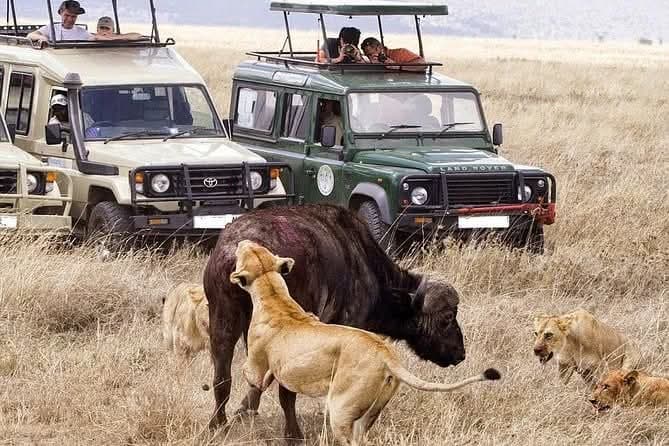
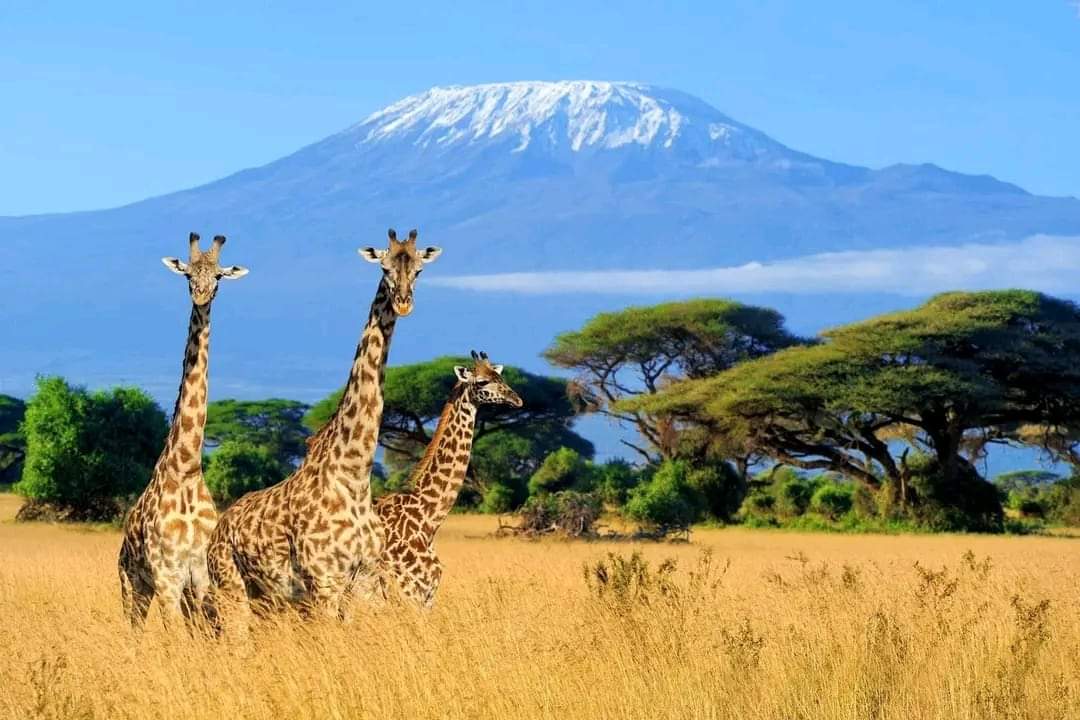
Rhino is the headline. Lewa's 256 combined rhinos are the highest density of rhino in any East African conservancy, and sightings are essentially guaranteed on every game drive — typically 6–10 different individuals per drive. Grevy's zebra (the larger, narrow-striped, white-bellied zebra) number 350+ at Lewa and the conservancy holds the largest single population of this critically endangered species, where global wild numbers are now under 2,500. Reticulated giraffe, the geometric-patterned northern giraffe subspecies, are common. Lion (multiple prides), leopard, cheetah, elephant, buffalo, hyena, and the rare aardwolf and striped hyena are present. The Lewa swamps host the rare sitatunga antelope. Bird life includes the spectacular violet-backed starling, vulturine guinea fowl, somali ostrich and the Lewa-endemic Tana River cisticola.
Walking and horseback safaris
Lewa is one of the few places in East Africa where guided walking safaris with armed Maasai or Samburu rangers are a routine offer rather than a special occasion. Walks last 2–4 hours, cover 5–10 km of conservancy ground, and are the slowest, most intimate way to experience the African bush — tracking rhino on foot, examining elephant dung for diet clues, identifying smaller mammals and birds your vehicle would miss. Horseback safaris are the other Lewa speciality — the conservancy has a stable of 12 horses and offers guided rides for confident riders, lasting 2 hours to multi-day mobile camps. Horseback is the only way to approach Grevy's zebra closely; herds tolerate horses where they would flee a vehicle.
The Lewa Marathon
Every June, Lewa hosts the Safaricom Marathon — a full marathon and half marathon run through the conservancy on the standard game-drive tracks, with armed rangers and helicopter surveillance to keep the wildlife and runners apart. The race attracts 1,400+ runners from around the world and raises $700,000+ per year for conservancy operations. It is the only marathon in the world run through a working wildlife sanctuary; finishers regularly report passing zebra, giraffe and elephant during the race. Spots fill 6 months in advance and the experience is the bucket-list highlight for many runners. Safari packages built around marathon weekend are offered by most Lewa camps.
Where to stay at Lewa
Lewa is exclusive — only 8 camps inside the 250 km² conservancy, all comfort or luxury tier. Lewa Wilderness ($600–900 per person all-inclusive) is the original family-owned safari lodge, run by the Craig family who founded the conservancy. Lewa Safari Camp ($550–800) is the affordable comfort option with 12 tented rooms. Sirikoi Lodge ($800–1,400) is the luxury family-run option with stand-alone houses and a tree-house. Sirai House ($1,500+ per night, exclusive-use) is the super-private luxury option. Lewa House ($600–900) is the historical Craig family residence converted to 9 guest rooms. Stays at any Lewa camp include all conservancy fees, all activities (game drives, walks, horseback rides), all meals and drinks, laundry, and rhino tracking with conservancy biologists.
How to get to Lewa
By road, Lewa is 260 km / 4.5 hours from Nairobi via Karatina, Nanyuki and the Isiolo road. The drive crosses the equator at Nanyuki and gives views of Mount Kenya throughout the second half. By air, scheduled charter flights from Wilson Airport take 1 hour to Lewa airstrip ($280 per person each way) on Tropic Air, Air Kenya and Safarilink. Lewa pairs naturally with Samburu (1.5 hours north) and the Maasai Mara (2 hour transfer + flight). Most operators include Lewa as a 2–3 night stop on a 7–10 day northern Kenya circuit, typically as the rhino-and-walking element of an itinerary that also includes Mara (migration), Samburu (Special Five) and either Mount Kenya or Aberdares.
Activities and experiences
Lewa's standard activity menu is the most varied in Kenya. Game drives — twice daily, the standard format. Walking safaris — daily option, usually morning. Horseback safaris — for confident riders, 2-hour rides. Camel-back safaris — Sasaab and Sarara conservancies nearby use camels. Visit the rhino tracking team at HQ — see the radio collars, the surveillance map, the rhino orphans being fed. Mountain biking on conservancy tracks (Sirikoi Lodge offers bikes). Visit a Maasai or Samburu community conservancy (Il Ngwesi, Lekurruki) — these are the conservancies that adopted the Lewa model, owned and operated by the local communities. Sundowner drinks at Hyrax Hill or Lewa Downs viewpoint with views of Mt Kenya at sunset.
Conservancy fees and practical info
Lewa conservancy fees are $150 per non-resident adult per day, $75 per child (5–17), free under 5. Fees are included in the camp nightly rate — there is no separate park entrance to pay at the gate. Lewa is malarial; take prophylaxis. The conservancy is at altitude 1,750 m so mornings are cool — pack a fleece. Walking safaris have a minimum age of 12. Horseback safaris require previous riding experience and a minimum age of 14. The conservancy is fully fenced for rhino security (you cross a cattle grid at the gate) and the wildlife you see is the wildlife that lives inside the 250 km². Connecting wildlife corridors to neighbouring conservancies (Borana, Il Ngwesi) keep the gene pool flowing.